
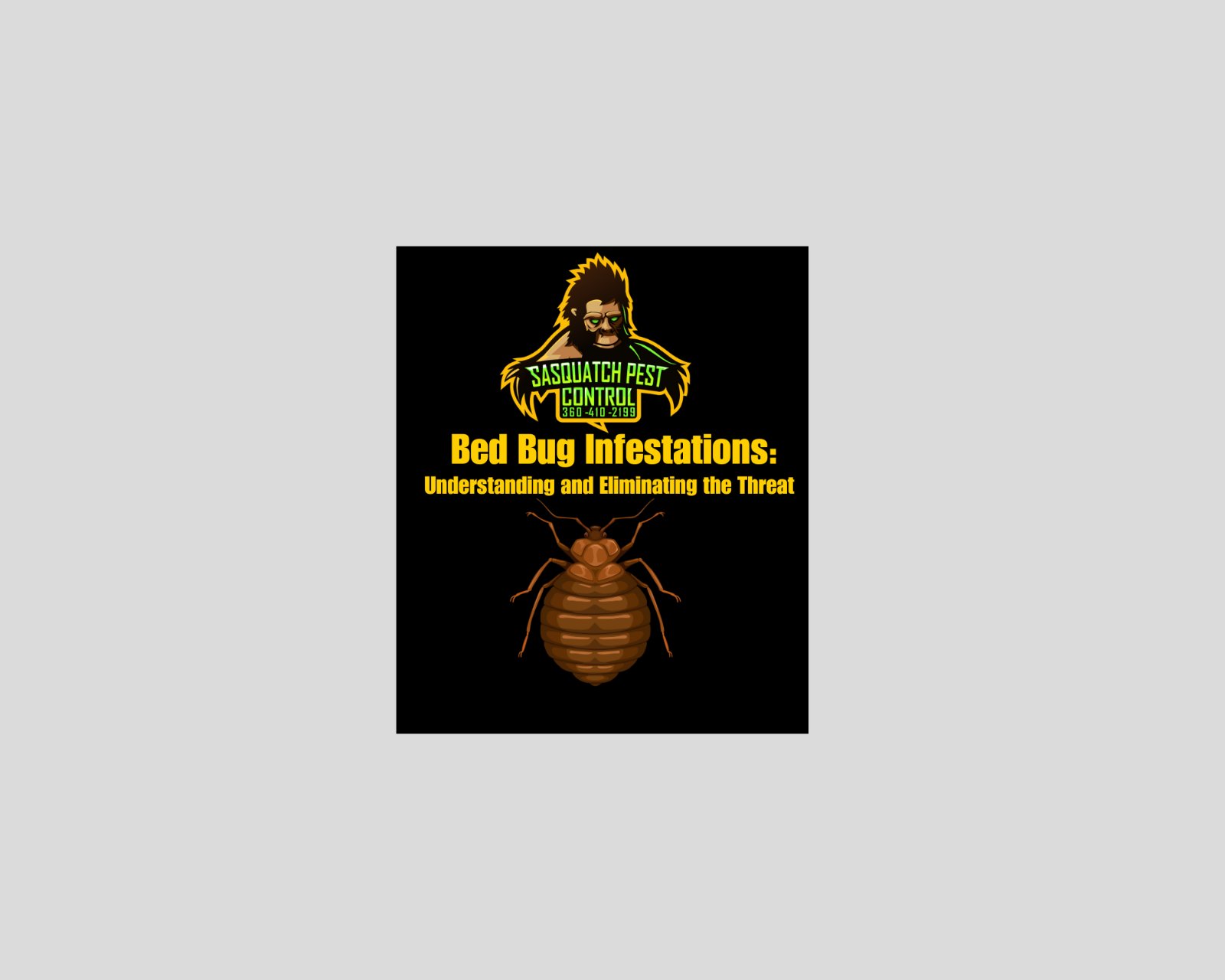
The clearest way to tell if you have bed bugs is to look for physical evidence — small rust or blood-colored stains on your sheets, dark ink-like fecal spots along mattress seams, shed skins, and live, apple-seed-sized reddish-brown bugs hiding in the seams of your mattress, box spring, and headboard. Bites alone are not proof, because many people react to bed bug bites the same way they react to other insects, and a lot of people don’t react at all. If you’re in Bellingham and you suspect bed bugs, the most important thing to know up front is what not to do: don’t throw out your mattress, don’t set off a bug bomb, and don’t start sleeping in another room. Those three moves are the fastest way to turn a small problem into a whole-house problem.
What are the first signs of bed bugs?
Bed bugs are quiet, patient, and very good at hiding, so most people don’t catch them early. The first thing homeowners in Whatcom County usually notice is waking up with itchy welts they can’t explain. But because bites are unreliable, it’s better to confirm with evidence you can actually see and touch. Here’s what to watch for, roughly in the order people tend to notice it:
- Bites in lines or small clusters, often on skin exposed while you sleep — arms, shoulders, neck, and legs. They’re small, red, and itchy, and may not appear for a day or two.
- Rusty or reddish stains on sheets and pillowcases — these are crushed bugs or small smears of blood after they feed.
- Dark, ink-like spots about the size of a period or a marker dot along mattress seams, on the box spring, or where the mattress meets the frame. This is bed bug excrement, and it often smears if you wipe it with a damp cloth.
- Tiny pale yellow skins (casings) that bed bugs shed as they grow, plus microscopic eggs that look like specks of dried rice.
- A faint, sweet, musty odor in the room — usually only noticeable once an infestation has grown.
- Live bugs. Adults are flat, oval, reddish-brown, and about the size and shape of an apple seed. Young ones are smaller and nearly translucent.
Where should I actually look for bed bugs?
Bed bugs like to stay within a few feet of where you sleep, tucked into tight, dark seams. Grab a flashlight and, if you have one, an old credit card to run along seams and coax them out. Check these spots in order:
- Mattress seams, tags, and piping — start here. Run your light slowly along every seam.
- The box spring, especially the underside and the fabric edges. This is one of their favorite hiding spots.
- The bed frame and headboard, including screw holes, joints, and any cracks in wood or upholstery.
- Nightstands and dressers near the bed — inside drawers, along runners, and underneath.
- Baseboards, the edge of the carpet, and electrical outlet plates in the bedroom.
- Upholstered furniture you sit or nap on, plus the seams of any nearby chairs or couches.
If you find live bugs, eggs, or clusters of those dark fecal spots, you very likely have an active infestation and it’s time to stop searching and start planning treatment.
Could it be something other than bed bugs?
Yes, and this matters, because the wrong assumption leads to the wrong treatment. In Bellingham homes, itchy bites and small bugs get blamed on bed bugs all the time when the real culprit is something else. Fleas usually bite the ankles and lower legs and are common in homes with pets. Mosquito bites are larger, appear singly, and show up in warmer months. Scabies, a mite that burrows into skin, causes intense itching but isn’t an insect you’ll find in your mattress. And plain skin irritation or an allergic reaction can mimic bites entirely.
The deciding factor is almost always physical evidence in the sleeping area. If you can’t find spots, skins, or live bugs after a careful inspection, bed bugs are less likely — and a professional inspection can settle it quickly.
What should you NOT do if you think you have bed bugs?
This is the part that costs people the most money and time. Panic leads to a handful of predictable mistakes, and almost every one of them makes the infestation harder and more expensive to treat.
The 5 mistakes that make bed bugs worse
- Don’t throw out your mattress or furniture. Dragging an infested mattress through your home and out to the curb scatters bugs and eggs along the way, and it doesn’t solve the problem because bed bugs are also hiding in the frame, baseboards, and nearby furniture. You’ll pay to replace it and still have an infestation.
- Don’t set off a bug bomb or fogger. Foggers barely penetrate the tight cracks where bed bugs live. Worse, they scatter the bugs deeper into walls and adjacent rooms, and repeated fogger use has been linked to fires. They are one of the least effective tools against bed bugs.
- Don’t move to another room to sleep. Bed bugs will simply follow you and establish a second hot spot. Now you have two infested rooms instead of one.
- Don’t drench the room in store-bought spray. Broad DIY pesticide use drives resistance, scatters survivors, and rarely reaches the eggs. It also puts more chemical in your home than a targeted professional treatment would.
- Don’t wait and hope. A single female can lay hundreds of eggs over her life. Every week you delay, the problem multiplies and spreads further into the home.
What SHOULD you do instead?
A calm, methodical response beats panic every time. If you’ve confirmed or strongly suspect bed bugs, here’s a sensible sequence that contains the problem without spreading it:
- Don’t start moving things between rooms. Keep the infestation contained where it is.
- Strip bedding and wash it hot, then dry on high heat. The dryer’s heat is what kills bed bugs and eggs on fabric. Bag the laundry to carry it to the machine so you don’t drop bugs on the way.
- Reduce clutter in the room so bugs have fewer places to hide, but bag anything you remove rather than scattering it around the house.
- Vacuum the mattress, seams, and baseboards, then immediately seal and dispose of the vacuum bag or empty the canister outside.
- Call a professional for an inspection. Bed bugs are one of the hardest pests to eliminate with DIY methods, and a trained inspector can confirm the infestation, map how far it has spread, and recommend the right treatment.
How do the pros actually get rid of bed bugs?
Professional bed bug treatment works because it targets every life stage and every hiding spot, not just the bugs you can see. At Sasquatch Pest Control, the process starts with a thorough inspection to confirm the pest and find the full extent of the problem. From there, treatment is tailored to your home and the size of the infestation. That can include targeted, low-impact insecticide applications to cracks and harborage areas, follow-up visits to catch any eggs that hatch after the first treatment, and clear prep instructions so the treatment reaches where it needs to.
Bed bugs almost always require more than one visit, because no single treatment reaches every egg. That’s normal and expected — and it’s why our work comes with a 100% service guarantee rather than a one-and-done promise that doesn’t hold up.
What does a bed bug inspection and treatment cost in Bellingham?
Because confirming bed bugs takes a careful, hands-on inspection, we charge a \$150 bed bug inspection fee to verify activity before any treatment. If we confirm bed bugs, that fee is applied toward your service — so it’s not money lost. Treatment is then priced at a flat \$350 per room, with common areas included, so you know the cost up front with no contracts and no hidden fees.
How did bed bugs get into my Bellingham home?
Bed bugs are hitchhikers, not a sign of a dirty home — spotless houses and busy student rentals get them alike. In Whatcom County, the usual routes in are travel and secondhand items. A weekend trip, a stay in a hotel or vacation rental, or a flight through Sea-Tac can send bed bugs home in your luggage. Used furniture, mattresses, and even secondhand clothing are another common source. And in a college town like Bellingham, they move easily between apartments, dorms, and shared housing when people relocate. Knowing this helps with prevention: inspect hotel mattresses when you travel, keep luggage off the bed and floor, and be cautious with used furniture.
Frequently Asked Questions
Can you have bed bugs and not see them?
Yes. Bed bugs are small, flat, and nocturnal, so they spend the day hidden in seams and cracks where you’re unlikely to spot them. In the early stages especially, you may have bites or a few fecal spots long before you ever see a live bug. That’s why looking for the physical signs — spots, skins, and staining — matters more than trying to catch one in the act.
Do bed bug bites look different from other bug bites?
They can, but bites are not a reliable way to diagnose bed bugs. Bed bug bites are often small, red, and itchy and can appear in rough lines or clusters on exposed skin. However, reactions vary enormously from person to person, and some people don’t react at all. Because flea bites, mosquito bites, and skin irritation can look similar, you should always confirm with physical evidence rather than bites alone.
Are bed bugs a sign that my house is dirty?
No. Bed bugs are attracted to warmth, carbon dioxide, and a place to hide near where people sleep — not to dirt or clutter. They’re hitchhikers that travel in on luggage, used furniture, and clothing, which is why immaculate homes, hotels, and brand-new apartments all get them. Clutter can give them more places to hide, but it doesn’t cause an infestation.
Can I get rid of bed bugs myself?
It’s very difficult. Bed bugs hide in tiny cracks, resist many over-the-counter products, and lay eggs that survive single treatments, so DIY efforts often knock the numbers down temporarily and then rebound. Washing and hot-drying bedding helps and is a good first step, but eliminating an established infestation almost always requires professional treatment and follow-up visits.
Should I throw away my mattress if I have bed bugs?
Usually not. Discarding a mattress rarely solves the problem because bed bugs are also in the frame, box spring, baseboards, and nearby furniture, and dragging it out can scatter them through your home. You’ll also just infest a new mattress if the rest of the room isn’t treated. A professional treatment lets you keep and protect your mattress in most cases.
How much does bed bug treatment cost in Bellingham?
We start with a \$150 bed bug inspection fee to verify activity before treatment, and that fee is applied toward your service if we confirm bed bugs. Treatment is then a flat \$350 per room, with common areas included — clear, upfront pricing with no contracts and no hidden fees.
Does Sasquatch treat bed bugs in Bellingham?
Yes. We provide bed bug inspections and treatment throughout Bellingham and Whatcom County. If you’re not sure whether you have bed bugs, our \$150 inspection confirms it — and that fee goes toward your service if activity is found. Call or text 360-410-2199 to schedule.
Think you might have bed bugs? Let’s take a look.
The sooner you know, the easier it is to treat. Call or text Sasquatch Pest Control at 360-410-2199 to book a bed bug inspection across Whatcom County — no contracts, no scare tactics, and a 100% service guarantee.
Sasquatch Pest Control offers honest, local, no-contract pest control — backed by our 100% service guarantee.Get a Free Quote