
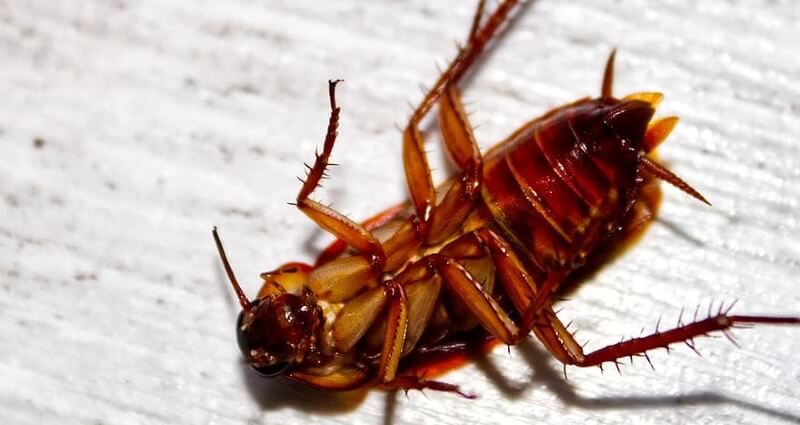
Cockroaches get into Bellingham homes and apartments mainly by hitchhiking in on bags, boxes, groceries, and used items, and by slipping through gaps around pipes, drains, doors, and shared walls. They are drawn in by three things — food, water, and warmth — and once a few get established, they breed quickly and hide well. A cockroach sighting is not a sign you keep a dirty home; even spotless houses and brand-new apartments get them. Here is exactly how they get in around Whatcom County and what actually keeps them out.
How do cockroaches actually get inside?
Cockroaches have two main routes into a home: they hitchhike, or they crawl through gaps. Understanding both is the key to keeping them out. These are the most common ways they get in around Bellingham:
- Hitchhiking on items you bring inside — grocery bags, cardboard boxes and deliveries, secondhand furniture and appliances, and used electronics are classic ways roaches and their egg cases arrive.
- Gaps around plumbing — the openings where pipes enter under sinks and behind appliances are prime entry points, since roaches follow moisture.
- Drains and sewer lines — roaches travel plumbing and can come up through floor drains and poorly sealed connections.
- Shared walls and utilities in apartments — in multi-unit buildings, roaches move between units through wall voids, shared plumbing, and outlets, so a neighbor’s infestation can become yours.
- Gaps around doors and windows — worn weather stripping, missing door sweeps, and torn screens leave easy gaps.
- Cracks in the foundation and exterior — small structural openings let outdoor roaches move in, especially as weather cools.
What kinds of cockroaches do we see in Whatcom County?
The species matters, because it changes how the roaches got in and how they behave. In the Bellingham area, two are most common.
The German cockroach is the small, prolific indoor species most associated with kitchens, bathrooms, and apartments. It is almost always brought in by hitchhiking and spreads fast because a single female can generate a large population quickly. It rarely lives outdoors in our climate, so when you see German cockroaches, they came in on something or through a shared wall.
Larger species like the Oriental cockroach are more associated with damp, cool areas — crawl spaces, basements, drains, and around foundations — and are drawn indoors by moisture. Knowing which you have shapes the whole treatment approach.
Why are cockroaches attracted to my home?
Roaches need three things, and every home provides at least some of each: food, water, and shelter. Food means crumbs, grease, unsealed pantry items, pet food, and even non-obvious sources like cardboard and soap residue. Water is often the biggest driver — leaky pipes, condensation, damp crawl spaces, and standing water in drains are magnets, which is why kitchens and bathrooms are hot spots. Shelter means the warm, dark, tight spaces roaches hide in during the day: behind appliances, inside cabinets, under sinks, and in wall voids. In our damp Pacific Northwest climate, moisture control is one of the most powerful tools for making a home unattractive to roaches.
Why do cockroaches spread so fast?
Cockroaches are built to multiply. A single German cockroach female and her offspring can produce hundreds of roaches in a matter of months, and each egg case holds dozens of eggs. They are nocturnal and secretive, so by the time you see one in daylight, there are usually many more hidden nearby — daytime sightings often signal a larger population. They are also remarkably good at squeezing into tiny cracks and surviving on very little. This combination of fast breeding, effective hiding, and hardiness is exactly why a roach problem rarely fixes itself and why early action matters so much.
Are cockroaches dangerous?
They are more than a gross-out. Cockroaches can carry and spread bacteria as they travel between drains, garbage, and food surfaces, and they are a well-documented trigger for asthma and allergies — their droppings, shed skins, and body particles become allergens in household dust, which is a particular concern for children and anyone with respiratory issues. They contaminate food and surfaces and leave an unpleasant odor when numbers grow. None of this is cause for panic, but it is a solid reason not to let an infestation build in a home where people live and eat.
How do I keep cockroaches out?
Prevention is about cutting off the routes in and the reasons to stay. The most effective steps:
- Inspect what you bring inside. Check grocery bags, boxes, deliveries, and especially secondhand furniture, appliances, and electronics before they come in, and break down and remove cardboard promptly.
- Seal the gaps. Close openings around pipes under sinks and behind appliances, add or replace door sweeps and weather stripping, repair screens, and seal foundation and exterior cracks.
- Fix moisture problems. Repair leaks, address condensation and damp crawl spaces, and do not leave standing water in sinks or drains overnight — this is one of the highest-impact steps in our climate.
- Deny food. Wipe up crumbs and grease, store food and pet food sealed, take out the trash regularly, and keep kitchen surfaces clean.
- Act on the first sighting. Because roaches spread so fast, treating early is far easier than tackling an established infestation — do not wait to see whether it gets worse.
When should you call a professional?
If you are seeing roaches — especially in daylight, which usually means a larger hidden population — or if DIY sprays keep failing, it is time for professional help. German cockroaches in particular are notoriously hard to eliminate with store-bought products because they hide in inaccessible voids and rebound quickly. We identify the species, find the harborage and moisture sources, and treat the problem at its source across Bellingham and Whatcom County. We offer free inspections, no contracts, and a 100% service guarantee.
Frequently Asked Questions
How do cockroaches get into a clean home?
Cleanliness is not the deciding factor — access is. Cockroaches most often hitchhike in on grocery bags, boxes, deliveries, and secondhand furniture, appliances, and electronics, or they crawl in through gaps around pipes, drains, doors, and shared walls. Even spotless homes and brand-new apartments get them, because the roaches arrive on items or move in from neighboring units. Good sanitation helps prevent them from thriving, but it does not stop them from getting in.
What kind of cockroaches are common in Bellingham?
The two most common in the Whatcom County area are the German cockroach and the Oriental cockroach. German cockroaches are small, breed extremely fast, live indoors in kitchens, bathrooms, and apartments, and are almost always brought in by hitchhiking. Oriental cockroaches are larger and associated with damp, cool areas like crawl spaces, basements, drains, and foundations. Identifying the species shapes the treatment approach.
Does seeing one cockroach mean I have an infestation?
Often, yes — especially if you see one during the day. Cockroaches are nocturnal and secretive, so a daytime sighting usually means the hiding spots are crowded and the population is larger than what is visible. Because they breed so quickly, it is best to treat a sighting as an early warning and act promptly rather than waiting to see whether more appear.
Why do cockroaches keep coming back after I spray?
Store-bought sprays typically kill the roaches you can see while missing the ones hidden in wall voids, behind appliances, and in other inaccessible harborage — and they do not reach egg cases. German cockroaches in particular rebound quickly and can be pushed deeper into hiding by repellent sprays. Lasting control requires identifying the harborage and moisture sources and treating the infestation at its source, which is what professional treatment does.
Are cockroaches dangerous to my family?
They carry real risks beyond being unpleasant. Cockroaches can spread bacteria as they move between drains, garbage, and food surfaces, and they are a well-documented trigger for asthma and allergies — their droppings, shed skins, and body particles become allergens in household dust, which is especially concerning for children and anyone with respiratory conditions. They also contaminate food and surfaces, which is reason enough not to let an infestation build.
What attracts cockroaches to my house in the first place?
Food, water, and shelter. Food includes crumbs, grease, unsealed pantry items, pet food, and even cardboard and soap residue. Water — from leaks, condensation, damp crawl spaces, and standing water in drains — is often the biggest draw, which is why kitchens and bathrooms are hot spots. Shelter means the warm, dark, tight spaces they hide in by day. In our damp climate, controlling moisture is one of the most effective ways to make a home unattractive to roaches.
Does Sasquatch treat cockroaches in Whatcom County?
Yes. We provide cockroach inspection and treatment throughout Bellingham and Whatcom County. We identify the species, locate the harborage and moisture sources feeding the problem, and treat it at the source rather than just knocking down the roaches you can see. Call or text 360-410-2199 to schedule your free inspection.
Seeing cockroaches in Bellingham? Let’s shut it down
Cockroaches multiply fast, so the sooner we start, the easier they are to eliminate — call or text Sasquatch Pest Control at 360-410-2199 for a free inspection.
Sasquatch Pest Control offers honest, local, no-contract pest control — backed by our 100% service guarantee.Get a Free Quote