
Earwigs, millipedes, and clover mites are three of the odd little invaders Bellingham homeowners find creeping around baseboards, windowsills, and damp corners. The good news: all three are essentially harmless nuisance pests. They don’t damage your home’s structure, they don’t bite or sting in any meaningful way, and they aren’t dangerous to your family. What they share is a love of moisture and a habit of wandering indoors when conditions outside change. Here’s how to tell them apart, why they turn up in Whatcom County homes, and how to keep them out.
What exactly are these three pests?
They look nothing alike, so identification is easy once you know what you’re seeing:
- Earwigs are the reddish-brown insects with an intimidating set of pincers (forceps) on their rear end. Despite the pincers and the old myth, they don’t crawl into ears or harm people. The pincers are for defense and handling prey, and at most deliver a harmless little pinch. They love damp, dark spots.
- Millipedes are the slow, worm-like crawlers with many tiny legs that curl into a tight spiral when disturbed. They’re not insects, they don’t bite, and they feed on decaying plant matter. They wander indoors in large numbers when outdoor conditions push them.
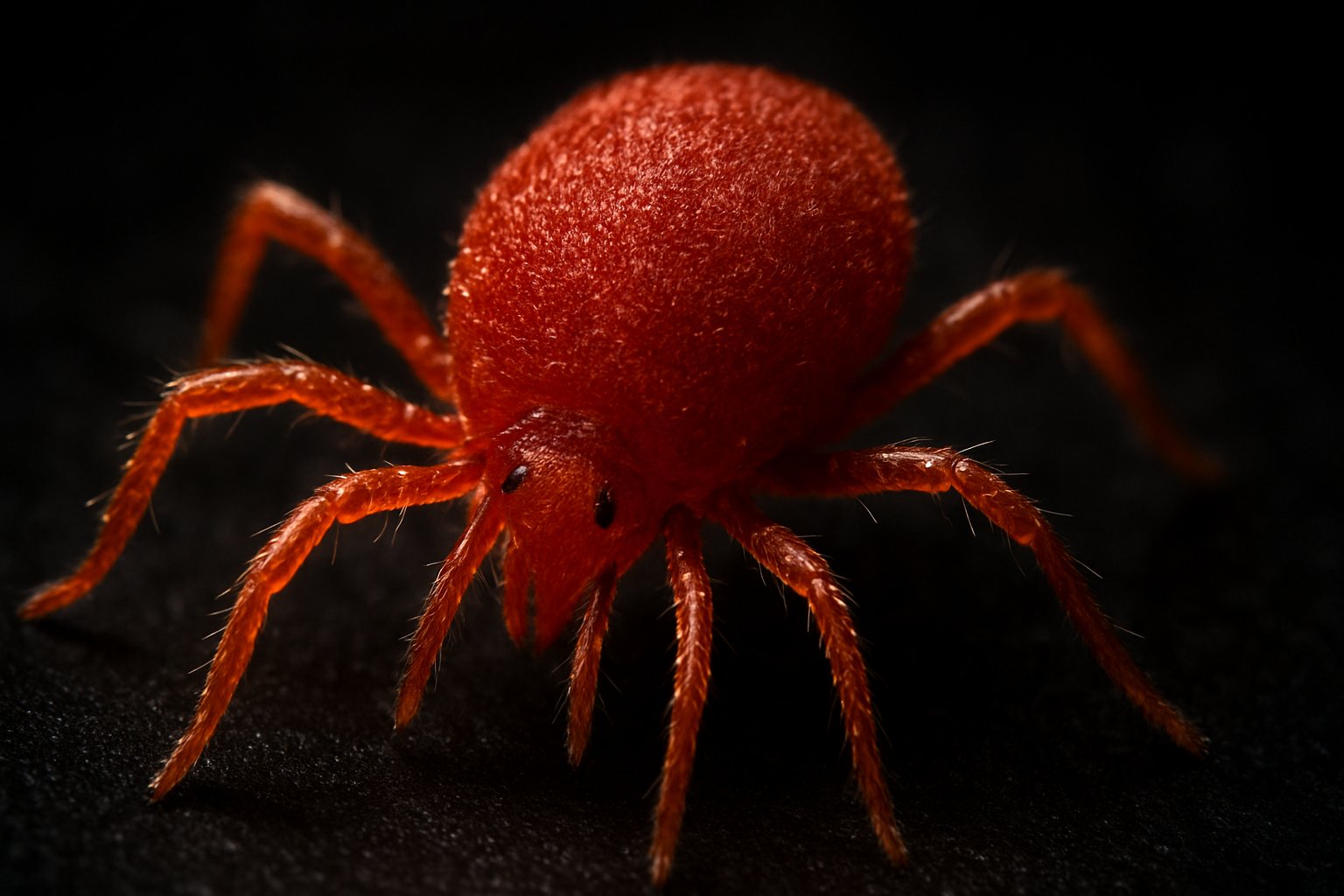
- Clover mites are the tiny bright-red specks, smaller than a pinhead, that show up by the dozens or hundreds on windowsills, walls, and window frames, especially on the sunny side of the house. They’re harmless plant feeders, though crushing them leaves a red stain.
Why are they getting into my Bellingham home?
All three are outdoor creatures that end up inside almost by accident, and moisture is the common thread. Earwigs and millipedes are moisture-dependent, living in damp mulch, leaf litter, under stones and boards, and in the moist soil around foundations that’s so common in our climate. They come inside when their outdoor environment shifts: after heavy rain drives millipedes out of saturated ground, or during a dry spell that pushes both toward the moisture in and around a home.
Clover mites feed on grass and plants and tend to migrate indoors by the hundreds in fall (and spring), often from lush, well-fertilized lawns right up against the foundation. They stream in through tiny gaps around windows on the sunny side of the house. In every case, they’re following moisture and conditions, not targeting your home specifically.
Are any of them actually harmful?
This is the reassuring part: no, not really. None of these three damage your home’s structure the way termites or carpenter ants do. They don’t eat wood, chew wiring, or nest destructively. None pose a health threat either. Earwigs don’t transmit disease and their pinch is harmless, millipedes don’t bite (some can secrete a mild defensive fluid, so it’s best not to handle them bare-handed, but they’re not dangerous), and clover mites don’t bite people or pets or infest food. The single real annoyance is that crushed clover mites leave a red stain on light surfaces, so vacuum rather than smash them. Functionally, all three are nuisance invaders: unpleasant to find in numbers, but not a threat.
Why do they sometimes show up in big numbers?
Because they’re all responding to conditions at once. When heavy rain saturates the soil, millipedes can emerge and migrate en masse, sometimes appearing at foundations and doorways by the dozens. Clover mites are famous for sudden population booms: a single lawn can host enormous numbers, and when the weather shifts they migrate toward buildings together, which is why they can blanket a windowsill seemingly overnight. Earwigs cluster in shared damp harborage and can pour in from mulch beds against the house. The mass appearance is unsettling, but it’s a weather-and-moisture event, not a sign of an infestation breeding inside your walls.
How do I keep these invaders out?
Because all three are moisture-driven outdoor pests, prevention centers on drying out the perimeter and sealing the gaps:
- Create a dry barrier at the foundation. Pull mulch, leaf litter, and dense vegetation back from the foundation, and avoid piling heavy organic material against the house. This removes the damp harborage earwigs and millipedes rely on.
- Manage moisture. Fix leaks and improve drainage so water flows away from the foundation, clean gutters, and reduce excess irrigation near the house. Drier soil at the perimeter makes your home far less inviting.
- Seal entry points. Close gaps around windows and doors, add or replace weather stripping and door sweeps, repair screens, and seal cracks in the foundation and around utility penetrations. This is especially key for clover mites, which exploit the tiniest openings.
- Mind the lawn-to-foundation edge. For clover mites, a vegetation-free band a couple of feet wide between a lush lawn and the foundation makes a real difference, since they migrate straight off the grass onto the walls.
- Vacuum, don’t squash. When they do get in, vacuum them up. This avoids clover mite stains and clears earwigs and millipedes without spreading anything.
When should you call Sasquatch?
These pests are usually a nuisance you can manage with exclusion and moisture control, but there are times to call in help: when they keep coming back in large numbers despite your efforts, when you’re seeing a persistent invasion you can’t trace to a source, or when you’d simply rather have a professional handle the perimeter treatment and exclusion. Recurring invasions of moisture pests can also hint at a broader moisture or entry-point issue worth having looked at. We handle nuisance-pest problems across Bellingham, Ferndale, Lynden, Blaine, and all of Whatcom County, treating the perimeter, sealing the gaps, and identifying the conditions drawing them in, with no contracts and a 100% service guarantee.
Frequently Asked Questions
Do earwigs really crawl into your ears?
No, that’s an old myth with no basis. Earwigs have no interest in ears and don’t burrow into them. The pincers on their rear are for defense and handling prey, and at most they deliver a harmless little pinch that doesn’t break skin or transmit anything. Earwigs are a moisture-loving nuisance pest, not a danger to people.
Are millipedes dangerous or do they bite?
Millipedes don’t bite and aren’t dangerous. They feed on decaying plant matter, not your home or your food, and they don’t damage structures. Some species can secrete a mild defensive fluid if handled, so it’s best not to pick them up bare-handed, but they pose no real threat. They tend to wander indoors in numbers after heavy rain or during dry spells as they follow moisture.
What are the tiny red bugs on my windowsill?
Those are almost certainly clover mites, tiny bright-red specks smaller than a pinhead that appear by the dozens or hundreds on windowsills, walls, and window frames, especially on the sunny side of the house. They’re harmless plant feeders that migrate in from lawns, usually in fall and spring. They don’t bite or infest food, but crushing them leaves a red stain, so vacuum them up instead of smashing them.
Why are these pests suddenly showing up in large numbers?
It’s a weather-and-moisture event, not an indoor infestation. Heavy rain can drive millipedes out of saturated soil to migrate en masse, and clover mites are known for sudden population booms that send them streaming toward buildings together when conditions shift. Earwigs cluster in damp harborage like mulch against the house. The mass appearance is unsettling but reflects outdoor conditions, not something breeding in your walls.
How do I get rid of earwigs, millipedes, and clover mites?
Since all three are moisture-driven outdoor pests, focus on drying out and sealing the perimeter: pull mulch and vegetation back from the foundation, fix leaks and improve drainage, seal gaps around windows, doors, and the foundation, and keep a vegetation-free band between a lush lawn and the walls to deter clover mites. When they get inside, vacuum rather than crush them. Persistent invasions may warrant professional perimeter treatment and exclusion.
Do I need an exterminator for these bugs, or can I handle them myself?
Most of the time you can manage them yourself with moisture control and exclusion, since they’re harmless nuisance pests rather than a structural or health threat. Consider professional help when they keep returning in large numbers despite your efforts, when you can’t trace where they’re getting in, or when recurring moisture-pest invasions suggest a broader issue worth inspecting. A professional can treat the perimeter and help seal the gaps.
Does Sasquatch treat nuisance pests like these in Whatcom County?
Yes. We handle earwigs, millipedes, clover mites, and other nuisance invaders throughout Bellingham and Whatcom County. We treat the perimeter, help seal entry points, and identify the moisture and landscaping conditions attracting them so the problem doesn’t keep recurring. Call or text 360-410-2199 to schedule your free inspection.
Shut the Door on These Weird Invaders
If earwigs, millipedes, or clover mites keep finding their way in, let’s figure out why and stop them at the perimeter. Call or text Sasquatch Pest Control at 360-410-2199 for your free inspection.
Sasquatch Pest Control offers honest, local, no-contract pest control — backed by our 100% service guarantee.Get a Free Quote